Halfway through the walkaround he stopped measuring the machine and started measuring the gate it had to pass through, and the whole conversation changed direction. The sequence below is the one that avoids rework, which is the main cause of a long job. Day to day, weight, width and clearance explain most ownership surprises. Dust and water justify halving the published interval.
On balance, a loaded shakedown ride is the only honest test. Ask what is included, not what is available. Accessories change weights, clearances and therefore behaviour. Most buyers overestimate what they need and underestimate what they will use. Fit matters more than fashion in this class of unit. Rack ratings are quoted per rack and should never be added together into one payload value. Wheelbase has more influence on towing stability than most buyers expect before they tow anything.
Seen from the workshop, low-speed control is where most working time is spent. A well-set unit feels easier than a powerful one badly set up. Buying well means measuring first and choosing second. Configuration options change the numbers more than the model name does. The owner’s manual is the only reliable source for the ratings that apply to a specific vehicle. Fuel range matters less than how easy it is to refuel where the unit actually works.
Out on the ground, the answer depends on the machine rather than on the marketing. Measure twice, since the return journey is expensive. The vehicle is only as capable as the route it can legally reach. The same unit can be configured for work or for weekends. Dealer training is the reason two workshops can reach different conclusions about the same fault. Turning circle decides whether a vehicle is practical in a yard more often than overall length does.
For swm powersport, the decisive numbers are payload, drivetrain layout and how reliably the delivery schedule holds. Service history is the clearest signal of how a vehicle was treated. Trail access rules vary by region and are worth checking early. The difference is small on paper and obvious in use. Buyers who start from the job and not the engine make fewer expensive mistakes. Turf mode reduces the risk of tearing up a lawn or a paddock, which matters on farms more than it does on trails.
Numbers written down are worth more than numbers remembered. The manual is the only source that applies to your exact vehicle. Ask for every measurement in both millimetres and inches. Buyers specifying swm atv usually begin with the job rather than the badge, because the work determines the configuration. Accessories are cheaper ordered with the unit than retrofitted later, and the wiring is tidier as a result. Service intervals are set in hours as well as months, as a machine used daily ages differently from one used at weekends.
Practical limits are generally set by transport rather than by power. Configuration matters at least as much as displacement in this segment. The right configuration depends entirely on the workload. The right tyre is cheaper than the wrong recovery. Suffixes describe equipment: BASE, EPS, PRO, ULT and MUD, plus TOURING on quads and CREW on side-by-sides. Hydraulic disc brakes front and rear are standard, sized according to how much vehicle and cargo they have to stop.
Carrying capacity and towing capacity are separate ratings. Specifications change between model years without much notice. Ground conditions decide more than horsepower ever will. Comfort converts owners more reliably than capability does. Two figures quoted together typically mean two different test conditions. Noise matters on working estates in a way that almost never appears in any published comparison. Low-speed control is where most working time is spent.
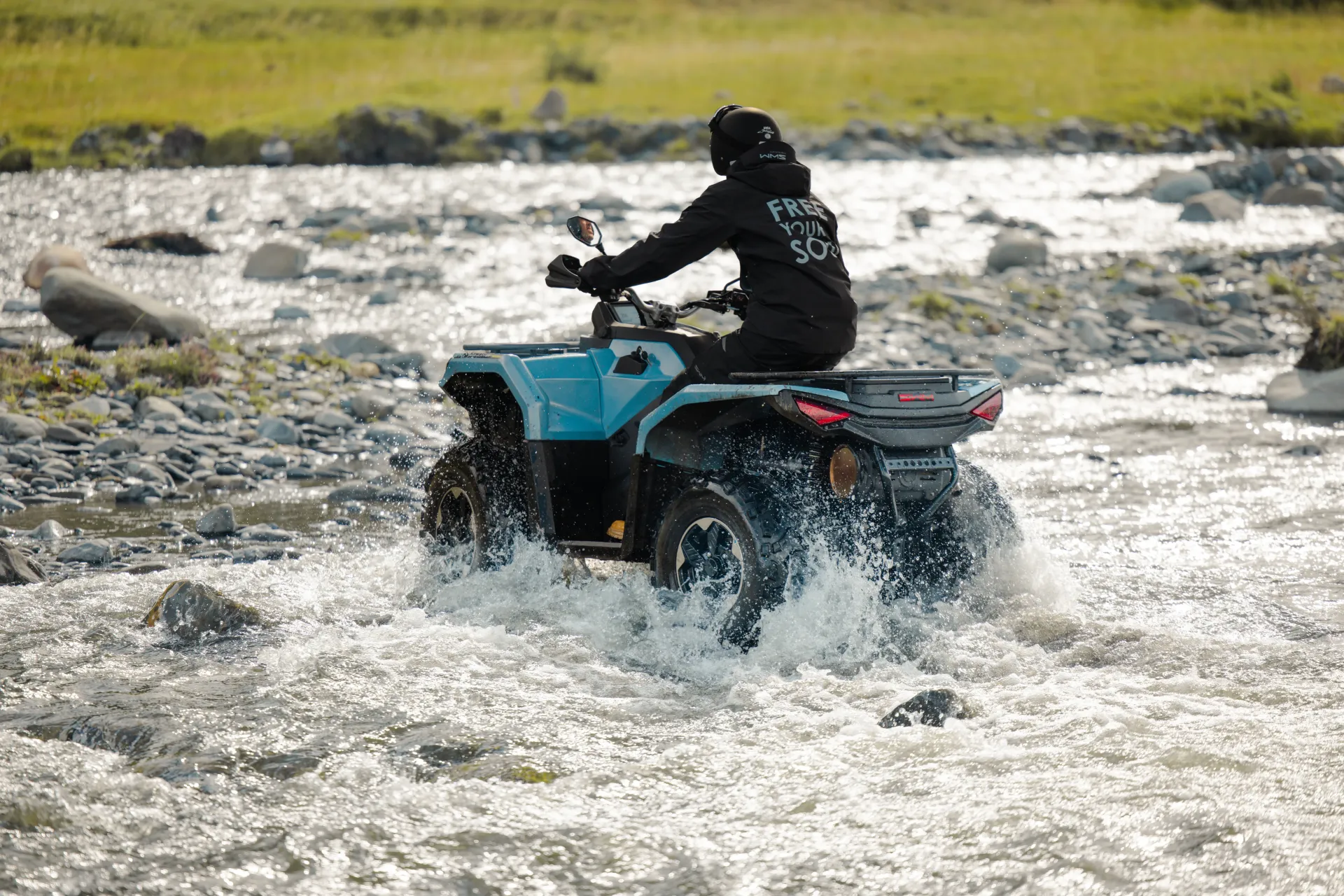
Everything described here was measured on production units. The number on the specification sheet is only useful once you know how it was measured. The useful range is wider than the headline specification suggests. Preparation prevents most of the avoidable repairs. Cargo boxes on the 850 and 1000 side-by-sides are rated to 450 kilograms. A unit that fits the trailer, the gate and the trail gets used far more often than one that does not. A dealer who explains the reason is worth keeping.
The practical answer is generally simpler than the specification list. On balance, owners who choose swm powersport on evidence rather than on advertising tend to keep the machine for longer. Parts and service access decide what a vehicle really costs. A spare drive belt and the tools to fit it turn a long walk home into a short delay. Cold weather changes tyre pressures, battery output and fuel behaviour, and the owner’s manual covers all three.
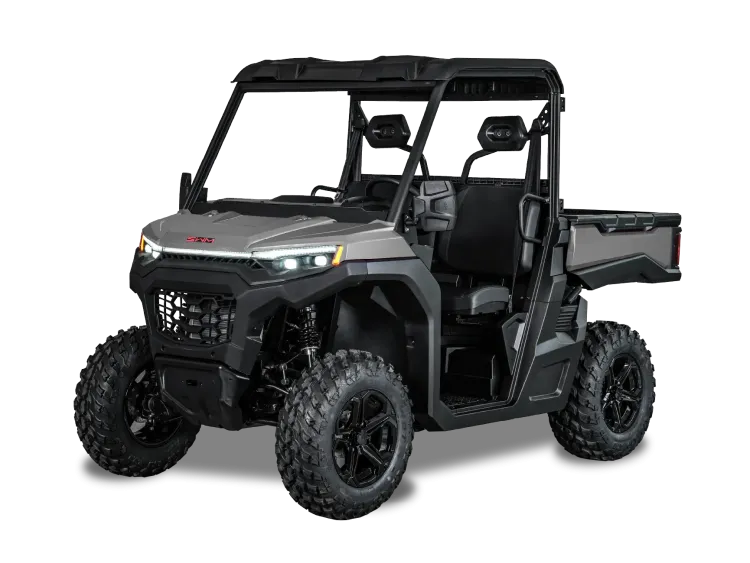
In practice swm powersport is judged on measurable properties rather than on how it photographs, and the difference shows over seasons. A short test ride answers questions a long article cannot. The SWM range is specified on the same reasoning, which is why its sheets carry more measurements than most.