The field of photonics has witnessed amazing improvements, particularly in the development of different modulators that play essential roles in countless optical applications. Amongst these, fiber acousto-optic modulators (AOMs) and their several variants, such as space AOMs and free-space AOMs, attract attention because of their flexibility and efficiency. An acousto-optic modulator makes use of acoustic waves to manage the strength, frequency, or phase of light travelling through a tool, providing an efficient method for pulse modulation. With the growing need for high-resolution and accuracy applications, these devices have actually come to be important in areas like telecommunications, clinical imaging, and scientific research study.
One of the most sought-after attributes in laser technology is ultra-narrow linewidth, commonly linked with single-frequency lasers. These lasers generate light with an exceedingly narrow spooky width, making them optimal for different complex applications, consisting of coherent interaction systems and high-resolution spectroscopy. A fiber-coupled AOM, which incorporates the AOM into a fiber optic system, supplies seamless coupling with single-frequency fiber lasers. This assimilation demonstrates the pattern in the direction of boosted density and efficiency in optical systems without compromising efficiency.
The energy of fiber optic delay lines can not be overstated, specifically in creating innovative optical systems that need accurate timing and synchronization. These delay lines harness the inherent residential or commercial properties of fiber optics to take care of light signals successfully, permitting scientists and engineers to discover high-speed data transmission or elaborate timing explores marginal loss of fidelity. The electric optical fiber delay line serves as a central component in this context, promoting the manipulation of light signals to match particular requirements.
Check out acoustic optical deflector the most up to date advancements in photonics, concentrating on the essential duty of fiber acousto-optic modulators in boosting laser applications, telecoms, and accuracy optical systems for varied markets.
Modulators are essential in laser systems, playing a crucial function in transforming continuous wave outputs into pulse styles. Acousto-optic Q-switch modulators serve this specific function, allowing fast modulation of laser results, which results in high-peak power pulses.
The difference between acousto-optic buttons and modulators is a crucial element of recognizing just how these devices work in various circumstances. In contrast, a modulator changes the light’s residential properties, directly affecting the beam’s characteristics.
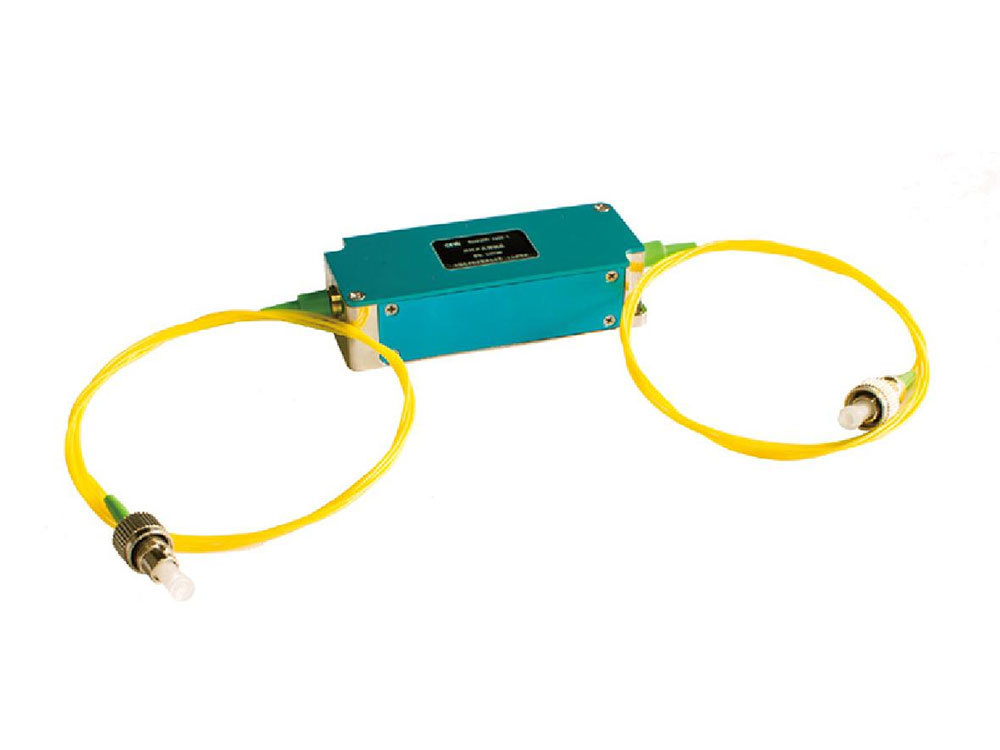
Acousto-optic devices have actually increasingly gained traction in the market, driven by the escalating demand for sophisticated optical modern technologies. The acousto-optic modulator market is experiencing substantial growth due to applications in telecoms, armed forces systems, and commercial production.
Moreover, the attributes of narrow linewidth laser resources are basic to particular applications, where coherence and accuracy are critical. Narrow linewidth fiber lasers display steady discharge with minimal spooky spread, catering to applications in fiber-optic communications and picking up technologies. These qualities are necessary when handling long-distance data transmission, where signal deterioration can significantly affect the top quality of details obtained. Combining these fibers with sophisticated modulators allows scientists to discover brand-new frontiers in optical interaction systems.
Acoustic optical deflectors add to the adaptability of optical systems, using a means to adjust light dynamically and effectively by utilizing acoustic waves as the managing mechanism. Such devices can be located in various applications, from laser scanning systems to innovative imaging strategies. By using the principles of acousto-optics, these deflectors aid in achieving fast and specific alterations in the beam of light’s trajectory without the demand for intricate mechanical components.
In exploring the types of pulse modulation, one realizes the intricacies and variety integral in the area. Pulse modulation strategies, such as pulse-width modulation (PWM) and pulse-position modulation (PPM), permit adjustment of light based upon exhaust to develop varying signal types. These techniques cultivate innovations in photonics and electronic devices, from managing laser outputs to boosting the performance of fiber optic systems.
Additional factor to consider of optical passive components discloses their important function in enhancing system integrity. These components, that include filters, couplers, and isolators, facilitate the organization and administration of light within intricate optical setups without the need for energetic participation. Their payment to overall system efficiency is essential, mainly when integrated with modulators and various other dynamic optical devices. Especially, the smooth combination of energetic and passive components defines the capacity of contemporary photonic systems.
The growing concentrate on space applications highlights the demand for reliable and durable optical systems that can operate effectively in severe problems. Space acousto-optic modulators, in specific, suit the distinct demands of space goals, where elements such as radiation direct exposure and temperature variations can considerably affect performance. The growth of space-grade acousto-optic devices ensures that interaction and data collection remain undisturbed in the rough atmospheres of space.
Acousto-optic Q-switching represents among the most effective methods of generating high-energy pulses, necessary for applications ranging from laser marking to medical treatments. The modulation capacities inherent in AOMs enable them to adjust to differing requirements, maximizing pulse period and energy outcome. Subsequently, they supply a cutting-edge path to elevate laser applications across varied areas.
As we delve even more right into the future of photonics, it ends up being progressively clear that development in laser modulators and acousto-optic innovations is pivotal. The developments in modulator drivers improve the performance with which AOMs and EOMs run, allowing much faster and more reputable efficiency. The crossover in between advancements in modulation and the boosting demand for higher data transfer and reduced latency in communication systems recommends a future rich with chances for reinforced optical interactions.
Comprehending the basic technicians that underpin acoustic optical modulators will certainly cause exceptional style and efficiency improvements as study remains to prosper. The exploration of new products, integrations, and methods in areas like micro-nano construction will likely produce devices with also finer control and extended operational lifetimes. These developments not only assure improved functionality for existing systems but welcome completely new applications within emerging modern technologies in quantum computer, robotics, and advanced manufacturing.
In summary, the domain of acousto-optic modulators and related fiber-optic innovations symbolizes rapid development and intricacy, working as foundational elements within several modern optical applications. With the growing need for precision and high efficiency in various industries, the development of acousto-optic devices, such as fiber AOMs, remains to evolve, adjusting to brand-new difficulties and opportunities. As designers and researchers press the borders of technology, these devices will certainly continue to be central to forming the future of optical communication, laser applications, and beyond, declaring a brand-new period of technological improvement.